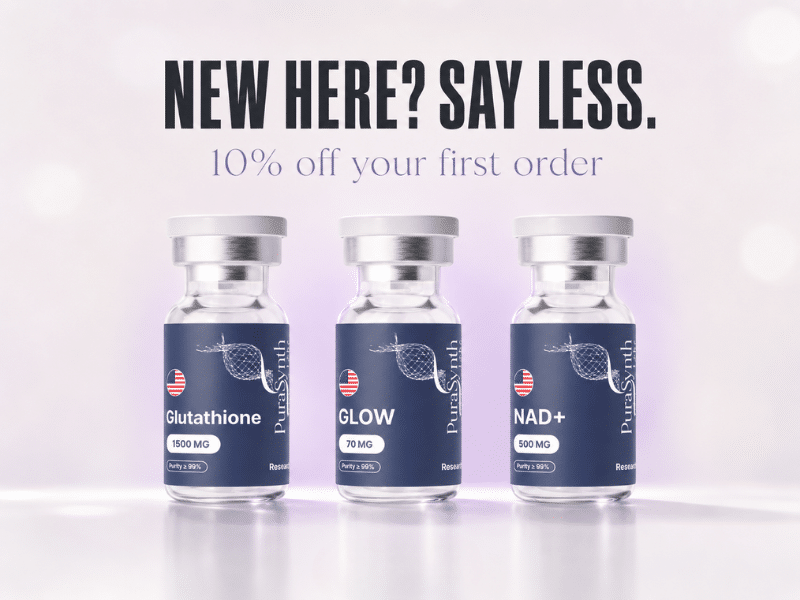

Peptides are everywhere in U.S. health, wellness, skincare, sports, and medical conversations. However, they are often explained with too much hype and not enough context. From my experience reviewing peptide-related content for American readers, the biggest challenge is separating proven science from marketing claims. This guide explains what peptides are, why they matter, where the evidence is strongest, and how people in the United States can evaluate peptide information more responsibly.
Table of Contents
- Featured Definition: What Are Peptides?
- Why Peptides Matter in the United States
- How Peptides Work in the Body
- Common Types of Peptides
- Peptides in Medicine, Skincare, Fitness, and Research
- U.S. Safety and Quality Considerations
- U.S.-Based vs Offshore Peptide Sourcing
- Checklist: How to Evaluate Peptide Information
- People Also Ask About Peptides
- Expert Q&A About Peptides
- Conclusion
Featured Definition: What Are Peptides?
Peptides are short chains of amino acids linked by peptide bonds. They are smaller than most proteins and can act as signals, building blocks, or active ingredients in the body, medicine, skincare, and research. Their effects depend on structure, dose, route, quality, and intended use.
Why Peptides Matter in the United States
Interest in peptides has grown quickly across the United States because the word now appears in several different markets. You may see it in prescription drugs, anti-aging skincare, collagen supplements, sports recovery discussions, research catalogs, and wellness clinics.
However, the same term does not always mean the same thing.
In a medical setting, a peptide may be part of an FDA-reviewed drug product. In skincare, it may refer to a topical ingredient used to support hydration or the look of smoother skin. In research, it may refer to a lab material not intended for human use. Therefore, context matters.
According to the National Human Genome Research Institute peptide glossary, a peptide is generally a short chain of amino acids, typically 2 to 50, connected by peptide bonds. Longer chains are usually described as polypeptides, and proteins are made from one or more polypeptides.
That definition sounds simple. Still, the real-world uses can be complex.
For U.S. readers, the most important point is this: peptides should not be judged only by name. Instead, they should be evaluated by evidence, manufacturing quality, labeling, intended use, and regulatory status.
How Peptides Work in the Body
Peptides work because amino acid sequences can interact with biological systems in specific ways. Some act like signals. Others bind to receptors. Some influence hydration, immune activity, metabolism, digestion, or tissue repair pathways.
For example, the body naturally makes many peptide hormones and signaling molecules. Insulin is a classic peptide hormone. GLP-1 receptor agonists are peptide-based or peptide-like medicines used in diabetes and weight management under medical supervision. Meanwhile, collagen peptides are usually digested dietary fragments promoted for nutrition or beauty support.
However, these examples should not be grouped together as if they all work the same way.
The “why” behind peptide function comes down to shape and sequence. A small change in amino acid order can change how a peptide behaves. Also, the route of exposure matters. A peptide applied to skin is not the same as one swallowed, injected, or used in a laboratory assay.
Because of this, responsible content should avoid sweeping claims such as “peptides heal the body” or “peptides reverse aging.” Those claims are too broad. Instead, each peptide should be discussed by its specific identity and evidence base.
Common Types of Peptides
Peptides can be grouped in several practical ways. For readers in the United States, the most useful categories are based on use case.
1. Naturally Occurring Peptides
The human body makes many peptides. These include hormones, signaling molecules, and fragments involved in normal biological processes. Because they are part of biology, they are often studied in medicine and biotechnology.
However, “natural” does not automatically mean safe at any dose or in any form. Even naturally occurring molecules can cause harm if misused.
2. Therapeutic Peptides
Therapeutic peptides are studied or used as medicines. Some are approved drugs, while others remain investigational. The FDA has published clinical pharmacology considerations for peptide drug products, which explains that peptide drug development may share features with both small-molecule and biological product development.
This matters because therapeutic claims require strong evidence. In the United States, products marketed to diagnose, treat, cure, or prevent disease are subject to drug rules. Therefore, readers should be cautious when a website makes medical claims without clear approval status.
3. Cosmetic Peptides
Cosmetic peptides are common in serums, creams, and moisturizers. They are often marketed for skin texture, firmness, or hydration. Some cosmetic formulas may help improve the appearance of skin, especially when paired with sunscreen, moisturizers, and proven ingredients.
Still, cosmetic claims are different from medical claims. A cream that improves the look of fine lines is not the same as a drug that treats a disease.
4. Collagen Peptides
Collagen peptides are broken-down collagen fragments, usually sold as powders, drinks, or capsules. They are popular in the United States among people interested in skin, hair, nails, joints, or protein intake.
The evidence varies by outcome, dose, study design, and product. Additionally, collagen peptides are not complete proteins in the same way some dietary proteins are, because they have a different amino acid profile.
5. Research Peptides
Research peptides are materials intended for laboratory use. They are not meant for human consumption unless they are part of a properly regulated clinical or medical process. This distinction is important because some online sellers use “for research use only” language while still implying wellness or body-enhancement benefits.
That creates confusion for consumers. Therefore, U.S. readers should look closely at labels, intended-use statements, and claims.
Peptides in Medicine, Skincare, Fitness, and Research
Because peptides appear in many industries, it helps to compare common contexts.
Peptides in Medicine
In medicine, peptides may be used because they can target biological pathways with precision. Some peptide-based drugs have clear clinical uses. However, approved medical use depends on the exact compound, indication, dose, formulation, and patient profile.
In the United States, patients should discuss prescription peptide medicines with licensed healthcare professionals. This is especially important for people with chronic conditions, pregnancy considerations, allergies, medication interactions, or a history of endocrine or immune issues.
Peptides in Skincare
In skincare, peptides are usually included as cosmetic ingredients. They may support the appearance of smoother or healthier-looking skin. However, results are often subtle and depend on the full formula, concentration, packaging, and consistent use.
A practical way to think about skincare peptides is this: they can be useful supporting ingredients, but they do not replace sunscreen, cleansing, moisturizing, retinoids where appropriate, or professional dermatology care.
Peptides in Fitness and Body Composition
Fitness-related peptide content is common online. However, it is also one of the riskiest areas for misinformation. Some injectable products discussed in gyms, forums, and social media are not FDA-approved for the promoted uses.
Moreover, unapproved injectables may carry risks such as contamination, incorrect concentration, immune reactions, side effects, and unknown long-term outcomes. If a product promises rapid fat loss, muscle gain, injury repair, or anti-aging effects without strong evidence, that should raise concern.
Peptides in Research
In laboratory settings, peptides can be valuable research tools. Scientists may use them to study receptors, immune responses, protein interactions, or drug development pathways. Yet lab use is not the same as personal use.
A research-grade material may not be manufactured, tested, labeled, or packaged for human exposure. Therefore, people should not treat “research use only” products as wellness products.
U.S. Safety and Quality Considerations
The U.S. peptide market includes legitimate medical products, cosmetic ingredients, dietary products, and questionable gray-market offers. Because of that, quality checks are essential.
The FDA maintains health-fraud resources and warning-letter pages for products that may involve unapproved or misleading claims. The agency’s health fraud warning letters show how companies can be cited for unsupported disease claims, unapproved drug marketing, or other violations.
This does not mean every peptide-related product is unsafe. Instead, it means claims should be examined carefully.
What Quality Means
Quality is not just a marketing word. For peptides, it can include identity, purity, concentration, storage conditions, sterility where relevant, documentation, and appropriate labeling.
For topical cosmetics, quality may focus on formula stability and skin compatibility. For research materials, it may involve analytical testing and clear intended-use restrictions. For medicines, quality is tied to regulated manufacturing and clinical standards.
Why Purity and Labeling Matter
Peptides can be sensitive to degradation. In addition, small errors in identity or concentration may change results or risk. This is especially important with injectable products, where sterility and accurate dosing are critical.
Consumers should be cautious with sellers that provide vague ingredient lists, no documentation, exaggerated claims, or unclear business information.
Administrative Compliance, Not Legal Advice
In the United States, compliance tasks may include checking product category, reviewing claims, maintaining documentation, verifying supplier records, and confirming whether a licensed professional is required. These are administrative support steps, not legal advice.
When medical, regulatory, or legal interpretation is needed, businesses should work with qualified counsel, licensed healthcare professionals, or appropriate regulatory consultants.
U.S.-Based vs Offshore Peptide Sourcing
The table below compares practical considerations. It is not a legal judgment. Instead, it highlights administrative and quality questions U.S. readers often ask.
| Factor | U.S.-Based Supplier | Offshore Supplier |
|---|---|---|
| Shipping time | Often faster within the United States | May be slower due to customs and distance |
| Documentation | Easier to request U.S.-style invoices, records, and support | Documentation may vary by country and seller |
| Regulatory familiarity | More likely to understand U.S. labeling and claim expectations | May not follow U.S.-specific expectations |
| Customer support | Usually easier to contact during U.S. business hours | Time zones and language may create delays |
| Quality verification | Still must be checked; location alone is not proof | Requires extra review of testing and documentation |
| Risk level | Lower friction, but not automatically risk-free | More variables, especially for claims and import issues |
The key lesson is simple. A U.S. address does not guarantee quality, and an offshore address does not automatically prove poor quality. However, U.S. readers should ask more questions when documentation, claims, or intended use are unclear.
How to Read Peptide Claims Without Getting Misled
Peptide marketing can sound scientific even when evidence is weak. Therefore, readers should slow down and ask what is actually being claimed.
A strong claim usually includes a named compound, intended use, population, dose, route, study type, and limitations. A weak claim often uses broad language such as “supports total healing,” “burns fat fast,” or “reverses aging.”
In addition, watch for testimonial-heavy pages. Personal stories can be interesting, but they do not replace controlled evidence. From my experience, the most trustworthy peptide content openly explains uncertainty rather than hiding it.
Stronger Signals
Look for:
- Specific peptide names, not vague categories.
- Clear distinction between cosmetic, dietary, research, and medical uses.
- Plain-language safety information.
- Current references from government, academic, or medical sources.
- No guaranteed outcomes.
- No pressure to self-inject or self-prescribe.
Weaker Signals
Be cautious with:
- “Miracle” claims.
- Before-and-after photos without context.
- No ingredient identity.
- No batch documentation.
- No explanation of risks.
- Claims that a research product is “not for human use” while implying personal benefits.
Checklist: How to Evaluate Peptide Information
Use this numbered checklist before trusting a peptide article, seller page, or social media recommendation.
- Identify the exact peptide.
Do not rely on the word peptides alone. Find the specific name, sequence, or ingredient identity. - Check the intended use.
Is it cosmetic, dietary, research-only, prescription, or investigational? Each category has different expectations. - Look for evidence quality.
Prioritize human studies, official guidance, medical references, and transparent limitations. - Review the claims.
If the content says a product treats disease, ask whether it is an approved medical product for that purpose. - Check route of exposure.
Topical, oral, and injectable products have different risk profiles. - Verify documentation.
For research or business purchasing, look for batch records, certificates of analysis, storage instructions, and supplier transparency. - Avoid hype language.
Words like “guaranteed,” “instant,” “cure,” or “risk-free” are red flags. - Consider professional guidance.
For health decisions, speak with a licensed healthcare professional rather than relying on online claims. - Separate research from personal use.
Research labeling should be taken seriously. It is not a workaround for self-use. - Keep records.
Businesses should document sourcing, claims review, and quality checks as administrative support.
Peptides and Google Search Intent in the United States
People searching Google in the United States often have different goals. Some want a simple definition. Others want to compare products. Some are trying to understand medical options after hearing about GLP-1 medications, collagen powders, or skincare serums.
Because search intent varies, content about peptides should be layered.
First, define the term clearly. Next, explain the major categories. Then, address risks and evidence. Finally, guide readers toward responsible next steps.
This reader-first structure helps users find useful information quickly. It also helps avoid thin content that only repeats keywords.
For example, someone searching “what are peptides” needs a simple explanation. Someone searching “are peptides safe” needs risk context. Someone searching “research peptides United States” needs clear boundaries around intended use and documentation.
Practical Examples for U.S. Readers
Here are a few common scenarios.
Scenario 1: A Consumer Sees Peptides in a Skincare Serum
This person should check the full formula, skin type suitability, brand transparency, and realistic claims. Peptide skincare may be useful, but sunscreen and consistent routines still matter.
Scenario 2: A Patient Hears About Peptide-Based Medicines
This person should speak with a licensed clinician. Approved medicines come with specific indications, dosing, contraindications, and monitoring needs.
Scenario 3: A Research Buyer Needs Peptides for a Lab
This buyer should verify identity, purity, documentation, storage, and intended-use restrictions. They should also keep procurement records for administrative traceability.
Scenario 4: A Fitness Enthusiast Finds Injectable Peptides Online
This person should be especially cautious. Products promoted for muscle gain, injury recovery, or fat loss may be unapproved for those uses. Self-injection also adds sterility and dosing risks.
People Also Ask About Peptides
Are peptides safe?
Some peptides are safe when used appropriately in regulated products or under medical supervision. However, safety depends on the specific peptide, dose, route, quality, and user. Unapproved injectables and vague “research” products can carry serious risks.
What do peptides do for the body?
Peptides can act as signals, hormones, structural fragments, or active ingredients. Some affect biological pathways, while others are used in cosmetics or nutrition. Their effects vary widely, so the exact peptide matters.
Are peptides the same as proteins?
No. Peptides are shorter chains of amino acids, while proteins are larger and more complex. A peptide may have 2 to 50 amino acids, while proteins are made from longer chains that fold into functional structures.
Can you buy peptides in the United States?
Some peptide-containing products are available in the United States, including cosmetics, supplements, research materials, and prescription medicines. However, availability does not always mean a product is approved for personal use or supported by strong evidence.
Do peptides work for anti-aging?
Some skincare peptides may improve the appearance of skin when used in well-formulated products. However, broad anti-aging claims are often overstated. Evidence should be reviewed by specific ingredient and product type.
Expert Q&A About Peptides
1. What is the most important thing to know before using peptide-related products?
The most important thing is intended use. A cosmetic peptide, a dietary collagen product, a prescription medicine, and a research peptide are not interchangeable. Each has different evidence, safety expectations, and quality requirements.
2. Why are injectable peptides more concerning than topical products?
Injectables bypass many of the body’s external barriers. Therefore, sterility, concentration, dosing, and medical supervision become much more important. A contaminated or mislabeled injectable product may create risks that a topical cosmetic does not.
3. How can businesses write responsible peptide content?
Businesses should define terms, cite reputable sources, avoid exaggerated claims, and separate education from medical advice. They should also review claims as an administrative compliance task and involve qualified professionals when needed.
4. What should a certificate of analysis show?
A useful certificate of analysis may include product identity, batch number, purity results, test method, date, and lab information. However, a certificate alone is not perfect proof. Buyers should also assess supplier reputation and whether the document matches the product.
5. Why do peptide claims change so quickly online?
The market moves fast because of social media, telehealth trends, wellness marketing, and new drug developments. As a result, older articles may become outdated. Readers should prefer current sources and check whether claims are supported by evidence.
Conclusion
Peptides are important, but they are not magic. They are short amino acid chains with many possible roles in biology, medicine, skincare, nutrition, and research. For U.S. readers, the safest approach is to evaluate each peptide by its identity, evidence, quality, intended use, and regulatory context.
Good peptide content should explain benefits and limits in plain English. It should also avoid hype, define terms clearly, and encourage professional guidance when health decisions are involved.
For more education-focused peptide information and responsible sourcing context, explore trusted peptide resources from PuraSynth.